• Youth work in schools
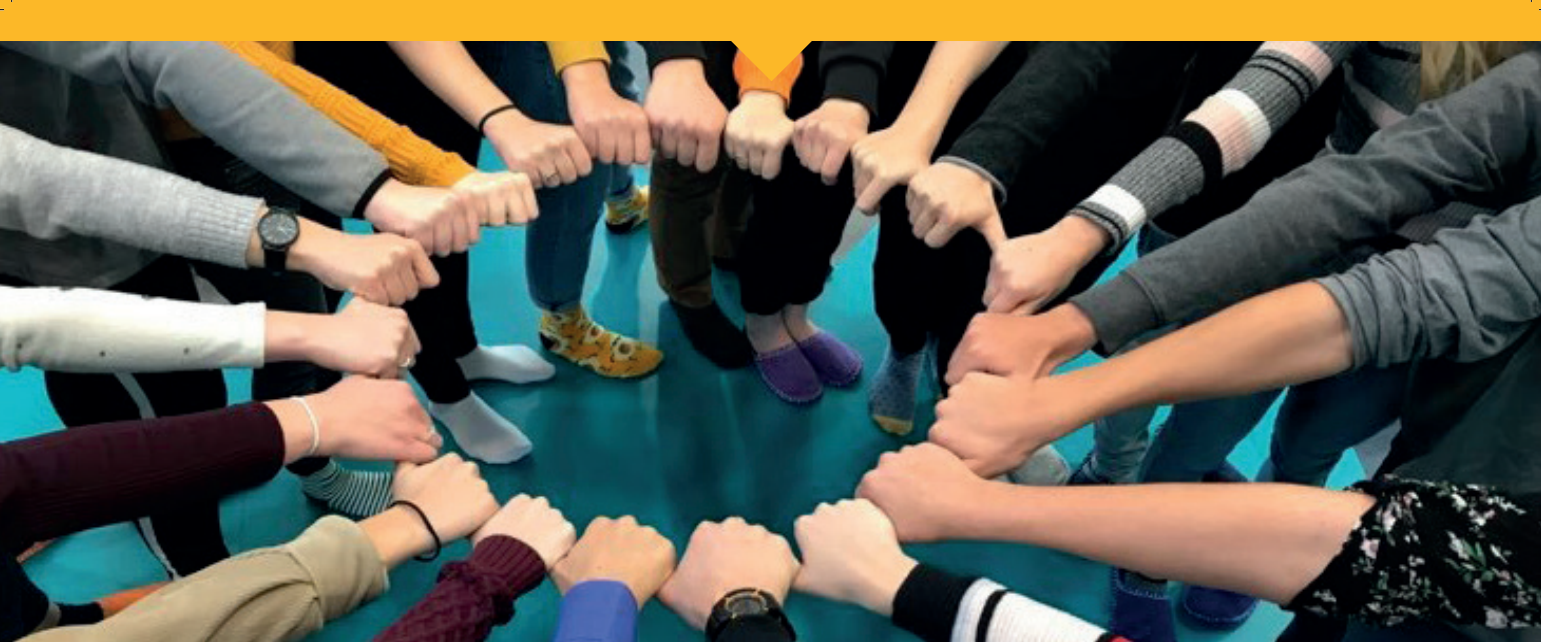
    The project of Youth work in schools, YWIS, develops youth work in educational environments. The aim is to define the role and opportunities of youth work in schools. Another aim is to incorporate informal education opportunities to formal education and to integrate the objectives of youth work and curricula. YWIS further increases the quality of youth work through four themes: sustainable development, democracy education, student wellbeing work and strengthening the sense of community.

    YWIS organises transnational meetings, workshops and training, and publishes materials and reviews concerning youth work in schools for international use. Moreover, each partner establishes local collaboration and disseminates the results through national networks.

    After YWIS youth work in schools is better identified in partner organisations and regions. Cooperation between schools and youth work organisations is established to facilitate and develop young people’s informal education. Youth work is better integrated into school curricula and practices. Youth workers’ competence has strengthened and new contents have been introduced to carry out youth work in schools.

    • Project name: Youth work in schools, YWIS

      Duration: 1.9.2022 – 31.8.2025

      Funding: Erasmus+ Cooperation partnerships in youth KA220-YOU

      Lead partner: South-Eastern Finland University of Applied Sciences Xamk. Partners: Freguesia de Vila Boa do Bispo (Portugal), University of Thessaly (Greece), and Saaremaa Noorsootöö Keskus (Estonia). Other partners: Municipality of Mikkeli.

      More info: https://ywis.saarenoored.ee/en/home/

      This publication has received funding from the European Commission under Grant Agreement Number 2022-1-FI01-KA220-0000086135, an ERASMUS+ Cooperation Partnership in Youth project titled “Youth work in schools”.

      The European Commission’s support for the production of this publication does not constitute an endorsement of the content, which only reflects the views of the authors. The Commission cannot be held responsible for any use which may be made of the information contained therein.

Available courses

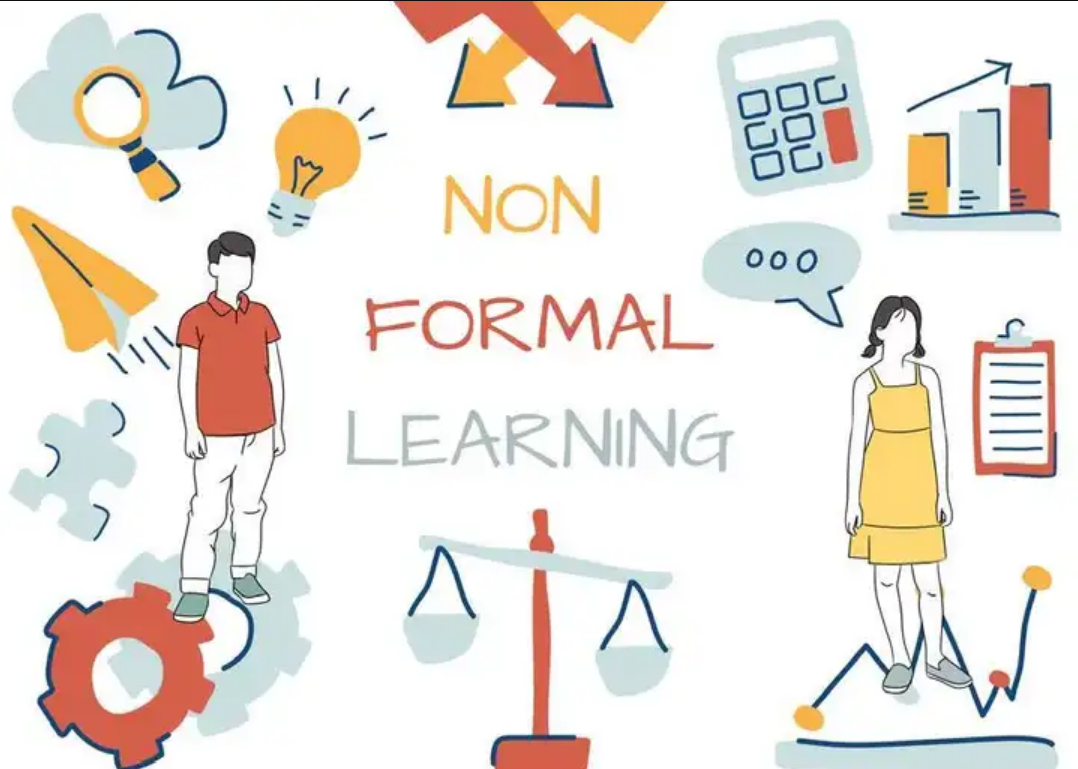
The ‘Theoretical focusing on Youth Work and Youth Work in Schools’ lesson introduces learners to understand the nature of non-formal learning and how it differs from formal learning. The course introduces the principles of non-formal learning, presents its nature and use in schools, and formulates the basic principles. One of these is the description of key competences and their development through non-formal learning. The course includes articles, research, a video presentation, a self-test and a practical exercise.

The "Global Perspective on the Evolution of Youth Work" lesson examines the historical trajectory of youth work globally. It explores how cultural, social, and political contexts have influenced its evolution, shaping practices in schools and communities.

The ‘Social Science and Youth Work’ lesson introduces learners to the common space of social sciences and youth work, focusing on how social science theories and research can enhance understanding and effectiveness in supporting young people towards work, citizenship, and culture, and therefore society. 

This course explores the ethos, objectives, and practical forms of school youth work, with a focus on multidisciplinary cooperation. Based on Finnish expertise, it offers adaptable approaches for educational settings across Europe.

The ‘Democratic Education & Youth Work’ lesson introduces learners to the foundational knowledge of democratic education related to youth work.

This course introduces how youth work can strengthen the sense of community in schools. It draws on Finnish practices with insights applicable across Europe.

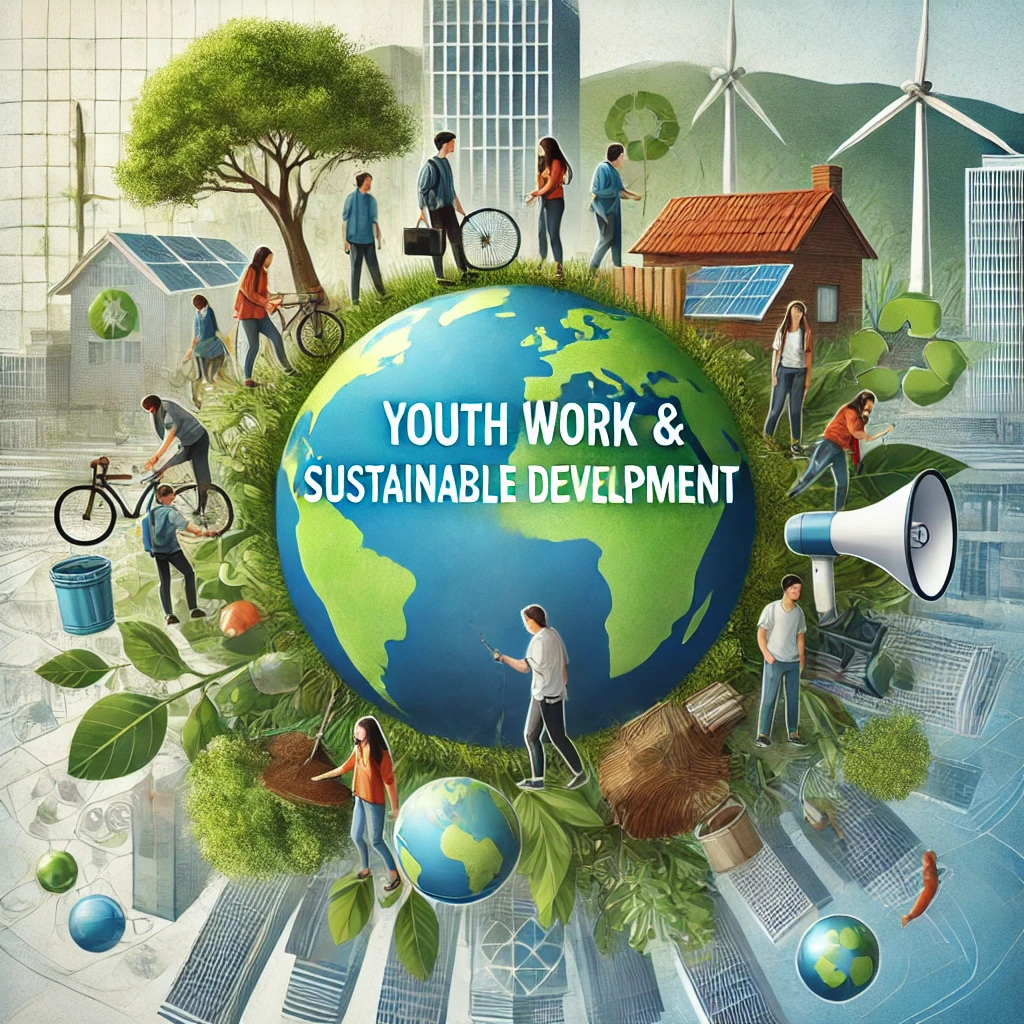
The ‘Sustainable Development & Youth Work’ lesson introduces learners to the intersection of sustainable development and youth work, focusing on how youth workers can inspire and empower young people to contribute to a more sustainable world.

Wellbeing helps us achieve valuable objectives and it works backwards too. For examples happier children learn better, there will be more stable families, good wellbeing increases productivity and helps with problem solving.

“Inspirational Material” is a curated, one-stop collection of short videos, case snapshots, and ready-to-use prompts that bring youth work to life in school settings. It spotlights the ethos and professionalism of youth workers, connects daily practice with core ideas from the social sciences, and shows how non-formal learning boosts inclusion, agency, and real-world skills. You’ll find practical inspiration for fostering a sense of community and wellbeing, alongside pathways for embedding sustainability and active citizenship across lessons.